por Rebecca Bowman
::: Desde su columna La Terraza Rebecca Bowman ofrece en versión bilingüe una esclarecedora reseña de una novela de la escritora y profesora, originaria de Nuevo Laredo, Tamaulipas.
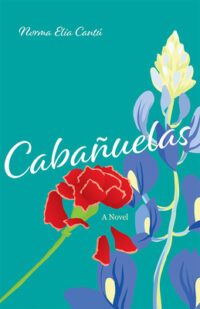
En Cabañuelas, el personaje principal de Norma Cantú, Nena, se va a España con una beca Fulbright para estudiar los vínculos entre las prácticas culturales de su ciudad natal, Laredo, y aquellas que aún se mantienen en España. Mientras está allí, conoce a amigos, a un nuevo amor y descubre muchas cosas sobre sí misma. Cantú comienza esta novela, que combina aspectos de la memoria, la literatura de viajes, la novela romántica y la etnografía, proporcionándonos un marco quizás poco conocido fuera de los países hispanos: el concepto de las cabañuelas, una práctica rural basada en la observación del clima que en México sostiene que el primer mes del año predice cómo será el clima durante el resto de él. Esto nos sitúa de inmediato en una perspectiva con una larga tradición, y el hecho de que la novela comience allí y que ese conocimiento provenga del padre del personaje también nos da a entender que su punto de vista no será el de una típica norteamericana. También al dedicar el comienzo del libro a contarnos no sólo sobre el personaje principal, sino sobre su comunidad, los rituales duraderos y la historia familiar, Cantú utiliza una práctica que muchos académicos ahora adoptan: declarar quiénes son para que podamos entender mejor cómo llegan a sus conclusiones. Esto ayuda a comprender más a su personaje, pero también nos da la misma perspectiva de una persona con un trasfondo familiar largo, con fuertes lazos comunitarios y un gran sentido de pertenencia. Esto también nos ayuda a entender la atracción que Laredo ejerce sobre Nena, una atracción que genera tensión a lo largo de la novela. La muerte temprana del hermano menor de Nena, Tino, en Vietnam y el vacío que esto dejó en su familia hace que sea aún más difícil para ella dejar Laredo y hace que la protagonista sea más vulnerable y más compleja.
Cabañuelas es, de hecho, una novela de viajes, ya que en ella exploramos diferentes partes de España pero con el conocimiento de un etnógrafo capaz de establecer conexiones que ninguna otra persona podría entre su cultura fronteriza y la de la miríada de culturas de España. Es una perspectiva fresca, pero como muchas novelas de viajes, también es una de autodescubrimiento.
La Nena de Cantú me recuerda a la narradora de Maria Luisa Puga en Antonia en que está libre de los obstáculos de tantos personajes femeninos en la literatura escrita en español, el dilema del umbral, el hecho de que se espera que las mujeres permanezcan dentro de la privacidad del hogar y no se aventuren afuera. Nos muestra, como lo hizo Puga, otra manera de ser, una en la que su trabajo es tan importante como cualquier vida amorosa, donde no hay remordimiento ni culpa. El escenario, a mediados de los años setenta en lugar de a finales de los sesenta como en Puga, sigue siendo similar al de Puga, pero la obra de Cantú está más desarrollada que la novela breve Antonia. Es menos espontánea y más estudiada. Y ella, como Puga, no parece estar afectada por el marianismo tan prevalente en América Latina en que, por ejemplo, el personaje nunca siente la necesidad de explicar por qué ha decidido no tener hijos. Todo esto resulta refrescante. Refleja una época en la que las mujeres a menudo apenas comenzaban a elegir otras formas de ser. Y aquellos lectores que han luchado con el tema del umbral pueden sentir la emoción vicaria de una aventura que las circunstancias a menudo les negaron.
El tono de Cantú es humorístico y discreto. Esta es una novela envolvente, una especie de Bildungsroman, salpicada por la palabra pero, que muestra la constante ambivalencia del personaje sobre su experiencia y refleja su mente cuestionadora, activa y observadora. Cantú es poeta y hábil en crear imágenes sensoriales— de comida, de lugar, flores en una mesa, hierbas perfumando el aire— y su conexión constante con su familia, su ciudad natal, sus amigos y su sensibilidad por lo colectivo es gratificante. Es una postura diferente hacia el mundo, una más segura que la de muchos novelistas. El libro revela una complejidad bien elaborada: está el hilo de una relación romántica que funciona para crear suspenso, la estructura proporcionada por las visitas como académica antropóloga a las muchas fiestas en toda España y luego su lento descubrimiento de las similitudes entre Laredo y esos lugares en España, así como una identidad que la vincula a su lugar de nacimiento.
El uso de artefactos a lo largo del libro —fotografías, cartas, ropa— nos recuerda la propia carrera de Cantú como folclorista y etnógrafa y me recuerda la novela de Zora Neale Hurston, Sus ojos miraban a Dios, en la presencia constante a lo largo del libro de la comunidad y la aguda comprensión de Cantú de los impulsos colectivos. Su prosa natural, Tex-Mex o Spanglish, hace que la novela sea aún más interesante y subraya el hecho de que ella percibe España desde una identidad cultural que no es la anglosajona más dominante. Ella es más consciente de las dificultades que enfrentan los pobres en España y de los sentimientos religiosos que experimenta la gente. Es observadora, pero su propia participación en rituales similares la ayuda a comprender.
Cantú escribe sobre la conexión, sobre la necesidad de tener un lugar al que pertenecer, y esta observación es algo que todos deberían tener en cuenta.
La distancia indicada por los datos que nos dicen que esto fue escrito después de que pasó el tiempo y el mundo cambió es interesante. Ya no estamos en ese auge que tuvo España tras la muerte de Franco, la movida madrileña, la remodelación de una cultura, la apertura de libertades, el comienzo de que las naciones oprimidas dentro de España volvieran a expresar sus culturas, idiomas y sus identidades. Ahora sabemos un poco más sobre lo que pasó, las cosas ya no son tan inciertas. Y creo que eso le da al libro en general una calma que, por ejemplo, no se siente en Puga. Sin embargo, a veces Cantú parece estallar en canción, su prosa más poética, un ritmo que cautiva.
En un momento Cantú rompe la tensión con la acción de rasgar la envoltura de una barra de chocolate Hershey y sospechamos cómo terminará la novela.
Cantú escribe sobre un lugar y comparte sus perspectivas sobre muchos lugares y muchos temas con una gentileza que ayuda a convencer. Este libro contrasta fácilmente con la literatura de viajes que surgió de ese rito de paso, ese Gran Tour de un año que realizaban los hombres adinerados, que les proporcionaba un refinamiento destinado a durar el resto de sus vidas, ya que sus ojos no son los “ojos imperiales” descritos por Mary Louise Pratt, sino ojos frescos viendo desde un lugar lleno de amor. Esta postura es bastante necesaria, y el final satisfactorio, un final realista, basado en la verdad, es aún más necesario al combatir esos numerosos relatos al estilo de Gidget va a Roma, Tres monedas en la fuente o French Kiss. Al final, este libro es todo amor y anti-cursilería.
≈
In Cabañuelas, Norma Cantú’s main character, Nena, takes off to Spain on a Fulbright scholarship to study the ties between cultural practices in her native Laredo and those still going on in Spain. While there, she meets friends, a new love and discovers many things about herself. Cantú starts this novel, which combines aspects of the memoir, travel literature, romantic novel, and ethnography, by giving us a framework that is perhaps not well known outside of Hispanic countries, the concept of the cabañuelas, a rural practice based on observations of the weather which in Mexico maintains that the first month of the year predicts what the weather will be like for the rest of it. This grounds us right away in a perspective with a long tradition, and the fact that the novel begins there and that that knowledge came from the character’s father also lets us know that her viewpoint won’t be that of a typical norteamericana. Also by spending the beginning of the book telling us not only of the main character but of her community, long standing rituals and family history, Cantú uses a practice many scholars now espouse, stating who they are so that we can better understand how they come to their conclusions. This works to help us understand her character more, but it also gives us the same outlook of a person with a long familial background, with strong community ties and a great sense of belonging. This also helps us understand the pull that Laredo has on Nena, a pull which creates tension throughout the novel. The earlier death of Nena´s younger brother Tino in Vietnam and the hole this made in her family makes it even harder for her to leave Laredo and makes the character more vulnerable and more complex.
Cabañuelas is indeed a travel novel, as in it we explore different parts or Spain but with the knowledge of an ethnographer who is able to make connections that no other person could between her border culture and that of the myriad cultures of Spain. It is a fresh perspective, yet like many travel novels it is one of self-discovery too.
Cantú’s Nena reminds me of Maria Luisa Puga’s narrator in Antonia in that she is free from the encumbrances of so many female characters in literature written in Spanish, the problem of the umbral, the threshold, the fact that women are expected to stay within the privacy of one´s home and never really venture out. She shows us, as Puga did, another way to be, one where her work is as important as any love life, where there is no remorse or blame. The setting, in the mid 1970’s rather than in Puga’s late 1960’s is still similar to Puga’s, but Cantú’s work is more fleshed out than the novelette Antonia. It is less spontaneous and more studied. And she, like Puga, doesn’t seem to be afflicted with the marianismo so prevalent in Latin America in that, for example, the character never feels the need to explain why she has decided not to have children. All of this is refreshing. It reflects a time when women were often just beginning to choose other ways of being. And those readers who’ve struggled with the issue of the umbral can feel the vicarious thrill of an adventure that circumstances often denied them.
Cantú’s tone is humorous and low key. This is an immersive novel, a sort of Bildungsroman, punctuated by the word but which shows the character’s constant ambivalence about her experience and reflects her questioning, active, observant mind. Cantú is a poet and adept at creating sensual images of food, of place, flowers on a table, herbs perfuming the air, and her constant connection with her family, her hometown, her friends, and her sensitivity for the collective is gratifying. It is a different stance toward the world, one more assured than that of many novelists. The book reveals a complexity that is well crafted: there is the thread of a romantic relationship that works to create suspense, the structure provided by the visits as an anthropologist scholar to the many fiestas throughout Spain and then her slow discovery of the commonalities between Laredo and those places in Spain as well as an identity that ties her to her place of birth.
The use of artefacts throughout the book—photographs, letters, clothing — reminds us of Cantú’s own career as a folklorist and ethnographer and reminds me of Zora Neale Hurston’s novel, Their Eyes Are Watching God in the presence throughout the book of community and Cantú’s keen understanding of collective impulses. Her natural prose, Tex-Mex or Spanglish, makes the novel even more interesting and underlines the fact that she is perceiving Spain from a cultural identity that is not the more prevalent Anglo one. She is more conscious of the hardships the poor of Spain face, of the religious feelings that the people are experiencing. She is an observer but her own participation in similar rituals helps her understand.
Cantú writes of connectedness, of the need for a place to belong to, and this observance is something that should be heeded by all.
The distance indicated by the bits of information that tell us this is written after time has passed and the world has changed is interesting. We are no longer in that boom Spain had after Franco’s death, la movida madrileña, the remaking of a culture, the opening of freedoms, the beginning of oppressed nations within Spain to again begin to express their cultures, languages, their identities. We know a little more what happened, things aren’t so uncertain. And I think that gives the overall book a calm that isn’t felt, for instance, in Puga. Yet at times Cantú seems to burst out in song, her prose more poetic, a rhythm that entrances.
At one point Cantú breaks the suspense with the tearing of the wrapper of a Hershey’s bar and we suspect how the novel will end.
Cantú writes of one place and shares her perspectives about many places and many issues with a gentleness that helps convince. This book readily contrasts with the travel literature that sprung from that rite of passage, that year-long Grand Tour wealthy men took, that gave them a polish meant to last the rest of their lives, in that her eyes are not the “Imperial eyes” described by Mary Louise Pratt, but fresh eyes from a loving place. This stance is quite necessary, and the satisfying ending, a realistic ending, rooted in truth, is even more necessary in that it combats those many tales a la Gidget Goes to Rome, Three Coins in a Fountain, or French Kiss. In the end this book is all love and anti schmaltz.